Rainbow Happy Pi Day: An Embroidery Designer's Review
When a client asked me to create a custom embroidered tote bag for a math teacher’s Pi Day gift, I immediately considered this Rainbow Happy Pi Day 3.14 SVG design. As a designer who reviews embroidery files for real project use, my first question isn't just about aesthetics; it's about how a design translates from screen to stitches, and whether it will meet the practical demands of a handmade product. This cheerful, thematic SVG offers a specific mood and opportunity, but its real value depends entirely on execution.
First Impressions: Celebratory, Clean, and Naturally Craft-Friendly
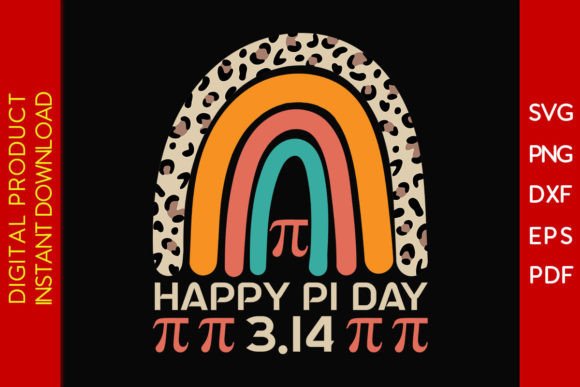
The design’s personality is instantly clear: a bright, celebratory nod to Pi Day with a clean, graphic layout. The rainbow color palette implied by the name suggests a playful, inclusive mood, perfect for gifts, educational merch, or lighthearted holiday items. The "3.14" and "Happy Pi Day" elements are arranged in a way that feels balanced for embroidery—not overly crowded, with shapes that appear suitable for satin stitches or clean fill areas. It doesn’t try to be overly complex, which is a strength for many embroidery applications. My initial thought was that this belongs on items meant to spark joy: a teacher’s apron, a student’s sweatshirt, a nursery decor piece for a science-loving family, or boutique merchandise for a small shop during March.
Performance in Real-Life Embroidery Projects
Let’s walk through a scenario. Imagine embroidering this onto a cotton tote bag for that math teacher. The design’s bold numerals and clear lettering should stitch out with good clarity, provided the stitch density is appropriate. On a sturdy fabric like canvas, the fill stitches for the rainbow elements would likely look vibrant and solid. For a sweatshirt or hoodie, the design size becomes crucial—it needs to be large enough to be legible but not so dense that it makes the garment stiff. On baby clothes or delicate items, you’d need to carefully consider scaling down; tiny lettering can become a messy thread blob if not handled correctly.
For patches, this design could be excellent. The thematic focus makes it a recognizable, standalone piece. An embroidered patch with this motif could be applied to caps, backpacks, or lab coats, creating a versatile product line for a craft business. In commercial embroidery, like a series of kitchen towels or pillow covers for a gift shop, the consistent, happy theme would create cohesive branding. When I think about Etsy listings or craft fair products, a well-embroidered version of this on a simple tee or tote has high giftability—it’s personal, timely, and niche.
Where Careful Application Is Required
Not every project is ideal. This design, with its presumably solid color blocks and text, requires careful handling on certain surfaces. On dark fabrics, the thread color contrast is paramount; a rainbow palette might need adjustment to remain vivid. On stretchy fabrics like jersey for t-shirts, stabilizer choice is non-negotiable to prevent distortion of the numbers and letters. Embroidering on curved surfaces like caps would necessitate testing the layout to ensure the "3.14" doesn’t warp around the seam.
The small details—the decimal point in "3.14" and the spacing between letters—are areas to inspect closely in your test run. On textured fabrics like linen, fine details can get lost. Also, consider products that need frequent washing, like apparel. A design with high stitch density in areas might be less durable over time. For these cases, simplifying the file or opting for a slightly larger hoop size can preserve clarity and longevity.
Affecting Value, Trust, and Professional Presentation
How does this embroidery file affect your finished product’s appeal? When executed well, it elevates a simple item into a thoughtful, personalized gift. For a small business owner, selling a beautifully embroidered pillow cover with this design demonstrates craftsmanship and attention to theme, building customer trust. The handmade presentation feels professional because the design is inherently clean and legible—it doesn’t look amateurish when stitched properly. For digital product sellers offering printable mockups or design assets, this SVG’s clear graphics would create attractive previews, aiding buyer engagement.
However, the value hinges on your skill and preparation. A poorly stabilized, blurry embroidery of this design on a tee would undermine its cheerful intent and make your product look low-quality. The design itself is a tool; your application determines the outcome.
Practical Notes for the Embroidery Designer
Before you commit this to a client’s project or your own shop merchandise, follow a disciplined process. Always test the Rainbow Happy Pi Day 3.14 SVG design on scrap fabric first. Use the same material you intend for the final product. Check thread color contrast against your background fabric—do those rainbow tones pop or fade? Review the stitch density in your machine embroidery software; adjust if areas seem too dense for lightweight fabrics.
Confirm your hoop size can accommodate the design at your desired scale. Inspect the small details by running a test stitch-out; look for any potential hiccups in the lettering or numeral corners. It’s also wise to test the design in digital black and white mockups to see how it reads without color, and compare how it looks on both light and dark fabric backgrounds in your software preview.
Use proper stabilizer for your specific fabric—this is not a step to skip. Finally, and critically, check the licensing terms provided with the file. Confirm whether it is cleared for both personal and commercial projects before you sell finished items or incorporate it into your craft business’s offerings. The product description mentions it’s for clothing and scrapbooking, but the specifics of the license are your responsibility to verify.
In conclusion, the Rainbow Happy Pi Day 3.14 SVG design is a thematic, mood-lifting graphic with strong potential for niche embroidery projects. Its success lies in its application: thoughtful testing, appropriate materials, and a clear understanding of its limits. When paired with a skilled maker’s hand, it can produce delightful custom apparel, memorable gifts, and profitable small shop products that truly celebrate the occasion.