A Design Review: The American Flag St. Patrick's Day Design
When a new embroidery design lands in my library, my first question is always about its real-world potential. I’m not just looking at pixels on a screen; I’m imagining stitches on fabric, gauging how it will translate from a digital file to a finished product that delights a customer or fits a specific project. Today, I’m thinking through the American Flag St. Patrick's Day Design, and the kind of practical, hands-on insight any crafter or entrepreneur needs before hitting the start button on their machine.
First Impressions: A Festive, Cross-Cultural Statement
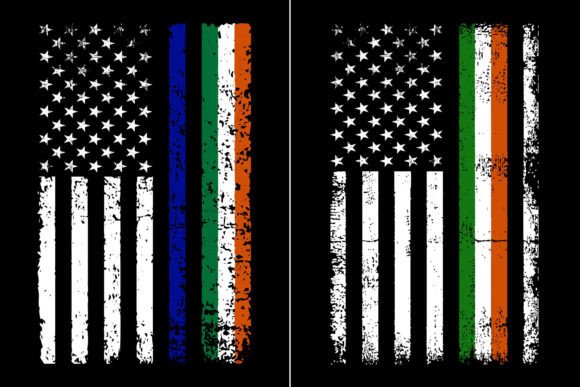
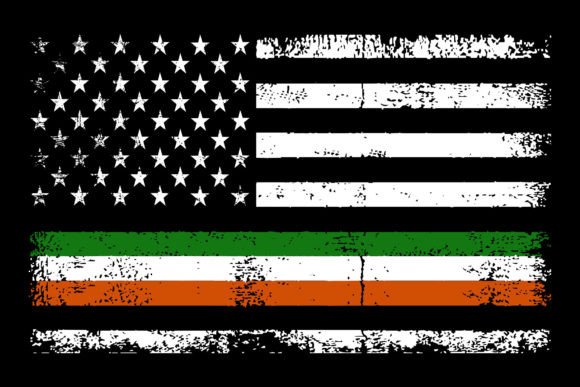
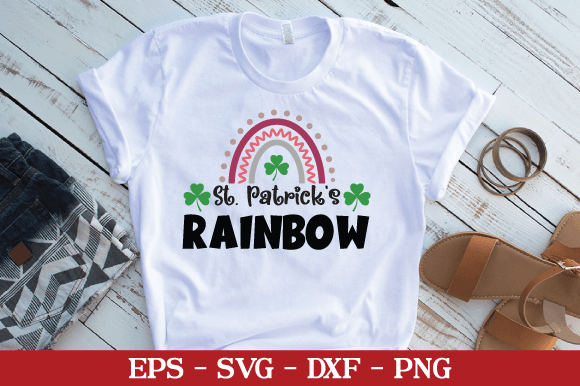
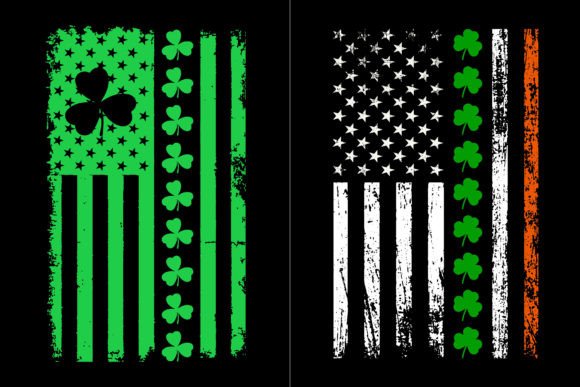
Right away, this design announces itself as a playful, celebratory mashup. It blends classic American patriotism with the unmistakable joy of St. Patrick’s Day—the shamrocks, the green, the sense of luck and festivity. This isn’t a solemn, traditional flag; it’s a design built for a party. The mood is friendly, inclusive, and lighthearted. For an embroidery project, this visual personality suggests it belongs on items meant for celebration, gift-giving, or personal expression rather than formal or official use.
The layout, combining these iconic symbols, feels designed for clear, bold stitching. As a machine embroidery design, it likely relies on solid areas of fill stitch for the flag elements and cleaner outlines for the shamrocks and accents. The detail level appears balanced—not overly intricate, which is good news for stitching on a variety of fabrics and products. It promises good stitching clarity when executed properly.
The Perfect Project Match: Where This Design Thrives
Let’s picture a real scenario. I’m preparing a custom order for a client who wants a unique gift for a friend’s “St. Paddy’s Day BBQ” that also honors their shared military service. I immediately think of a sturdy, high-quality sweatshirt or a canvas tote bag. The American Flag St. Patrick's Day Design would be a fantastic, personalized centerpiece here.
More broadly, this embroidery file naturally fits a range of celebratory and casual products. Think of embroidered patches for a festival cap, a vibrant addition to a kitchen towel for a holiday-themed home, or a cheerful detail on a baby’s romper for a family photo. For small shop product lines, it could excel on aprons for a pub event, pillow covers for seasonal decor, or as a standout element on custom apparel for a school or community group celebrating March 17th. Its hybrid theme makes it a strong candidate for holiday embroidery that appeals to a broad audience, increasing its product value and giftability.
Navigating the Stitching: Practical Considerations for Success
In real-life embroidery situations, success depends on foresight. For this design, the key considerations revolve around color contrast and fabric choice. The green elements demand a strong contrast against the flag’s red, white, and blue. On a dark fabric like a navy sweatshirt, the entire design’s impact could be muted unless you choose bright, slightly lighter thread colors or use a clever stabilizer strategy to ensure pop.
Areas with potential higher stitch density, like the flag’s stripes or solid shamrock fills, need careful handling on thinner fabrics like t-shirts or baby clothes. A robust stabilizer is non-negotiable here to prevent puckering and maintain that clean, handmade presentation. On textured fabrics like fleece or on curved surfaces like caps, the smaller details and any potential tiny lettering (if included) would require slower stitching and potentially a smaller hoop size to keep everything aligned and sharp.
For products destined for frequent washing—think tea towels or adult apparel—a test run on scrap fabric is crucial. You need to see how the stitch blends hold up and whether any very small elements might become less distinct over time, affecting customer trust in the durability of your work.
Design Placement & Professional Impact
Where you place this design matters immensely for visual appeal. Centered on a tote bag or the left chest of a polo shirt, it acts as a bold statement. Smaller, on the cuff of a baby blanket or as an accent on a pillow corner, it becomes a charming detail. This versatility is a asset for a creative entrepreneur building a cohesive line of craft business merchandise.
Using it well elevates your brand consistency. It shows you understand thematic design and can execute it cleanly, which speaks to professionalism in your Etsy listings or craft fair products. A well-embroidered version of this design has immediate recognition factor, which boosts buyer engagement—people know what it represents instantly, and that connection can drive a sale.
Essential Designer Notes Before You Stitch
Before you commit this design to a final project, here’s my practical checklist. These steps separate a good outcome from a disappointing one.
- Always test on scrap fabric first. Use both a light and a dark piece of your intended material. This reveals true thread color contrast and how the fabric texture interacts with the design.
- Review the design closely in your software. Inspect any small details, corners, or potential areas of excessive density that might need slight adjustment for your specific machine.
- Check the nominal hoop size requirement. While this design seems adaptable, confirming it fits comfortably within your planned hoop prevents last-minute redesigns.
- Consider creating simple black and white mockups or printable mockups to visualize placement on various products before stitching.
- Use the proper stabilizer for your fabric type. This is the foundation of clean embroidery.
- Most critically, confirm the licensing terms for this digital embroidery file. As it’s categorized under T-Shirt Designs and Graphics, you must understand whether it’s cleared for both personal projects and commercial embroidery, or if there are restrictions on selling finished items or the digital file itself. Never assume.
The American Flag St. Patrick's Day Design is a fun, thematic asset with clear commercial and personal appeal. Its success on a finished product, however, hinges entirely on the thoughtful application of these embroidery principles. By approaching it with this practical, real-world mindset, you can turn this digital design into a stitched masterpiece that holds its value, delights recipients, and strengthens your reputation as a skilled maker.